Health Information Report

Special Report — Central Vision & Aging Eyes

Macular Degeneration Doesn't Just Affect Vision — It Starts Erasing The Center Of Your Life Before It Takes Your Independence

Millions of older adults live with worsening central vision problems, but new scientific findings suggest there may be a hidden reason behind the decline — and that one ancient natural ingredient could help reduce the symptoms in weeks.

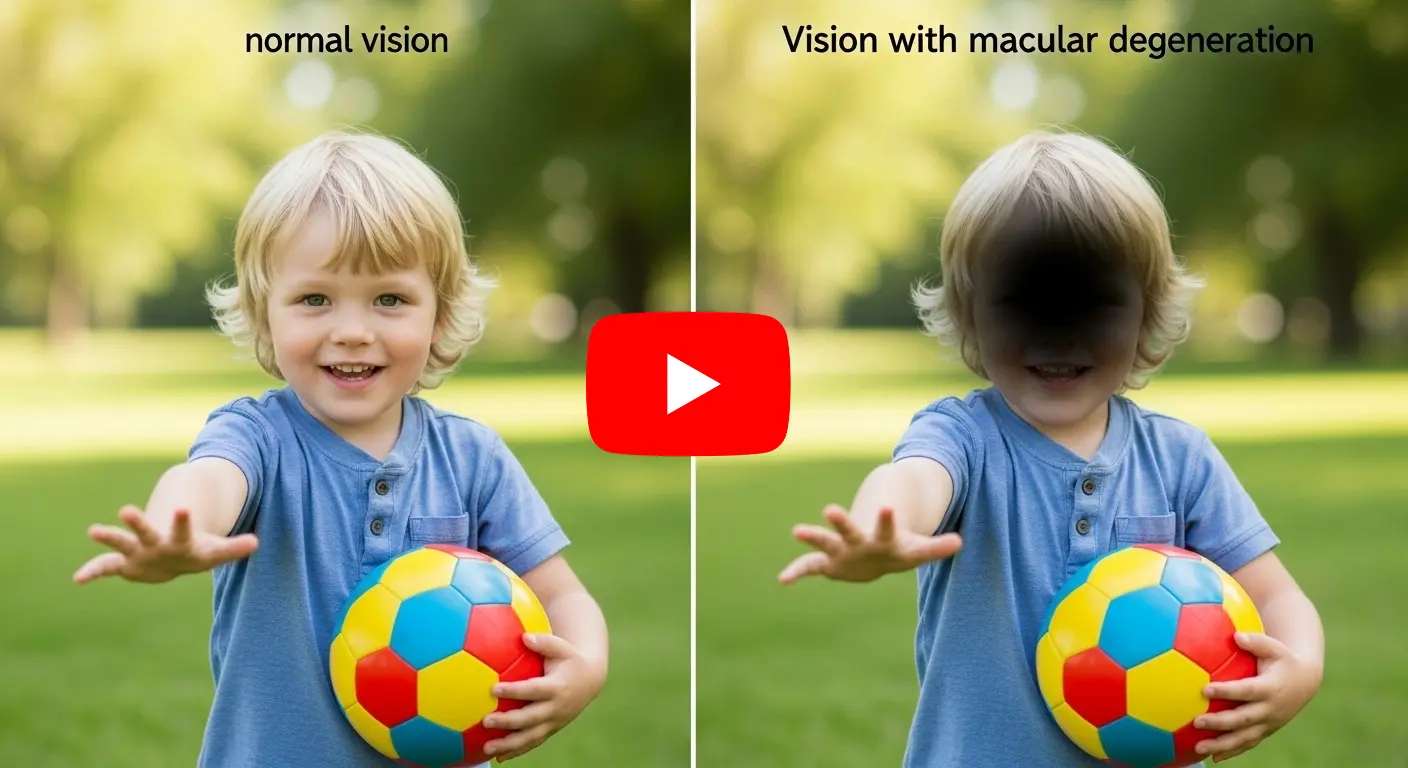
Illustration of central vision loss as experienced with macular degeneration

What central vision loss can feel like

For many older adults, age-related macular degeneration doesn't begin with a dramatic collapse. It often starts with subtle visual changes that are easy to dismiss. Have you ever felt your independence threatened? Do you identify with any of these symptoms?

Blurred central vision
Faces losing detail
Straight lines looking wavy
A dark patch in the center of sight
Reading becoming harder
More stress while driving at night
If you are one of the 19.8 million Americans who suffer from AMD, you should know about thissimple ritual that has already helped thousands of people regain their vision

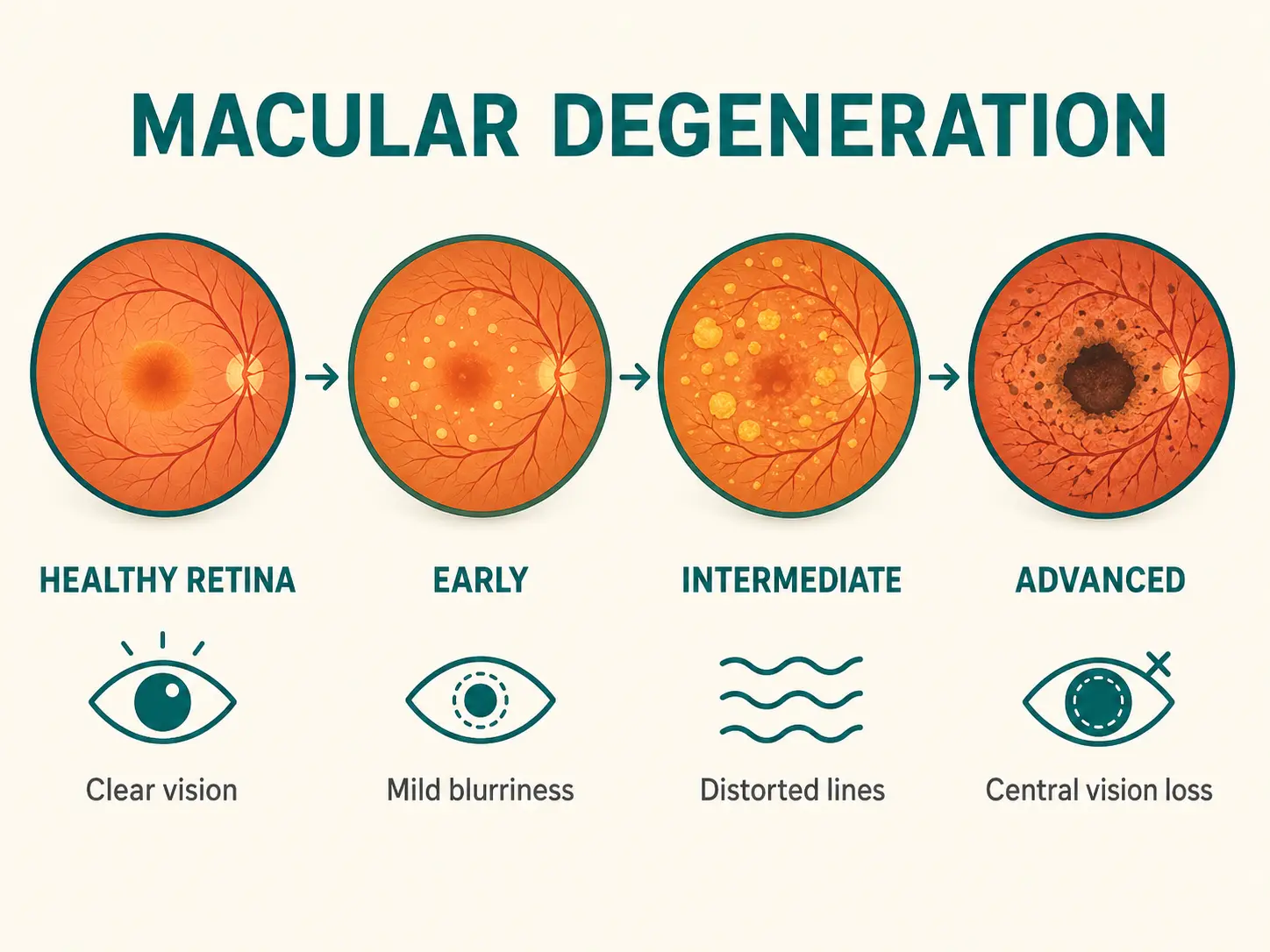
How AMD typically progresses — from subtle central blur to distorted lines and central vision loss

Visual diagram showing the progression of age-related macular degeneration from early subtle blurring to advanced central vision loss

According to researchers at Johns Hopkins, Oxford, and Tokyo University, these symptoms may be tied to a deeper biological process, while an overlooked natural compound is now emerging as part of a very different theory about what may help.

What If The Real Problem Isn't Just Damage To The Eye — But A Natural Repair System That's No Longer Able To Do Its Job?

AMD may not simply be the result of aging tissue wearing down over time. It may happen because the eyes are still being damaged every day — while the body's built-in repair response is being blocked from doing what it was designed to do.

Think of it like this: your eyes are like a house facing damage day after day. Under normal conditions, the body should be able to send in its own "firefighters" to contain that damage before it spreads. But when that repair system is trapped or shut down, the damage keeps building.

Over time, the center of vision can begin to look less like a clear image — and more like a photo slowly being corroded, where faces lose detail, words become harder to read, straight lines distort, and a dark patch begins to take over the part of sight you depend on most.

That may be why so many people feel like they're only managing the decline — instead of being told what may actually be driving it underneath the surface.

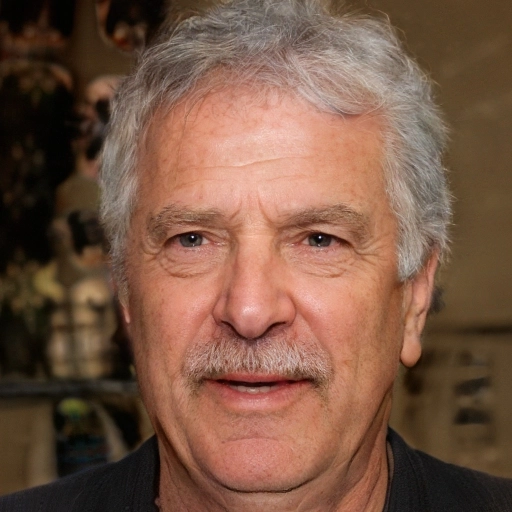
David Miller, 77, sharing his experience with central vision challenges

The story of David Miller, 77

The Driving Night

I knew something was seriously wrong the night I realized I couldn't trust myself behind the wheel anymore.

The headlights looked like exploding stars. Road signs blurred. The lines on the road didn't feel steady. I gripped the steering wheel the whole way home like I was trying to survive something.

When I finally pulled into the driveway, I just sat there.

Because deep down, I knew what it meant.

If I couldn't drive at night anymore, what was next? Depending on other people? Avoiding places I used to go without thinking? Watching my world get smaller because I was too scared to admit what was happening?

"I had almost given up when I came across something unexpected: a simple daily honey ritual, based on a natural ingredient that was being talked about in a completely different way than anything I'd heard before."

It sounded too simple at first.

But it also gave me something I hadn't felt in months: relief.

Not because all my fear disappeared in one day — but because for the first time, I felt like I wasn't just waiting to lose more.

Frequently Asked Questions